Observing Monarchs
A Lesson in Wonder, Patience, and Observation
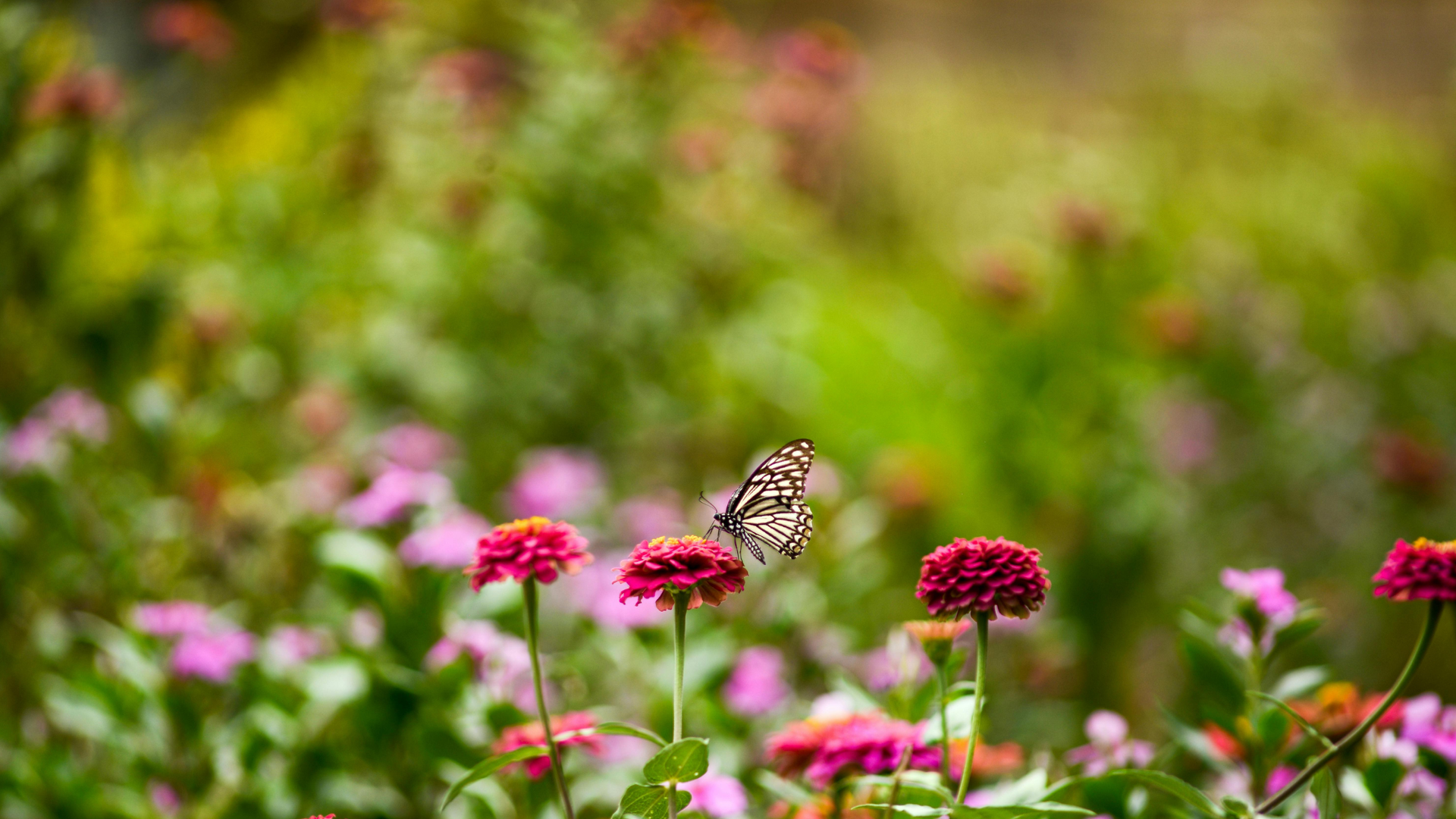
Each fall, our school becomes a Monarch butterfly observation station. For our students, watching the Monarchs develop is more than a seasonal activity—it is an opportunity to slow down, observe carefully, ask questions, and discover the remarkable relationships that connect plants, animals, and our larger ecosystem.
Our Primary students (ages 2.5 to 6) are captivated by the transformation that takes place before their eyes. They watch as tiny caterpillars munch away on milkweed, growing larger and larger each day. Along the way, they discover some of the less glamorous details of caterpillar life, including frass—the scientific name for insect poop! These observations often lead to wonderful conversations and questions: How much does a caterpillar eat? Why does it need so much food? Where does it go when it disappears?
If we are lucky, we find Monarch eggs, but most years our students begin observing once the caterpillars have already hatched. The children learn that these caterpillars are completely dependent upon milkweed for their nourishment. Monarch butterflies lay their eggs only on milkweed plants, and Monarch caterpillars eat milkweed exclusively. This provides an early introduction to an important ecological idea: plants and animals are deeply connected, and the presence—or absence—of particular plants can have a profound effect on the animals that depend upon them.
The transformation from caterpillar to chrysalis is especially fascinating. The Monarch chrysalis is extraordinarily beautiful, and its delicate green color and jewel-like appearance invite careful observation. Once the chrysalis has formed, students encounter another important lesson from nature: patience. A Monarch does not transform overnight. It takes approximately two weeks for the metamorphosis from chrysalis to butterfly to unfold. Montessori education places great value on direct observation, and nature reminds us that meaningful change often takes time.
Our Elementary students take their observations further. They may record what they see, write detailed stories and reports, research the Monarch life cycle, and document the changes they observe.
The Monarch's journey is astonishing. Some Monarchs travel as far north as Canada during the warmer months, yet the generation that migrates south must make the remarkable journey to the high-altitude Oyamel fir forests of central Mexico, where Monarchs spend the winter. The butterfly that returns north is part of a multi-generational migration cycle that connects ecosystems hundreds and even thousands of miles apart.
Science Through Observation
These experiences are a natural part of the Montessori science curriculum. Montessori science begins with the child's direct encounter with the natural world. Children learn to observe, classify, compare, record, and ask questions before moving toward increasingly abstract scientific understanding. In the Primary years, this may begin with noticing the colors, sizes, textures, and behaviors. In Elementary, those observations become opportunities for research, writing, geography, ecology, and an emerging understanding of interdependence.
The Monarchs also give our students a tangible example of a larger Montessori idea: we are part of a living world in which everything is connected.
Each season brings opportunities to observe the changes taking place outdoors in our yards and neighborhoods. We invite families to take some time to observe the wildlife around your own home. What insects visit your yard? Which birds come to feed or nest? Do you notice squirrels, rabbits, or other mammals? What plants seem to attract the greatest variety of visitors?
You might also begin to wonder what local wildlife would appreciate finding in your yard. Native flowers, grasses, shrubs, and trees can provide food, shelter, nesting places, and habitat for Virginia's birds, insects, and other animals. Even a small area planted with native species can become a place for children to observe the living world close at hand.
The Monarchs remind us that we do not have to travel far to find something extraordinary. Sometimes we simply need to stop, look closely, and give nature enough time to reveal its story.
You might also like