Growing Minds: Gardening with Children
Gardening Builds an Understanding of Botany and a Love of Nature
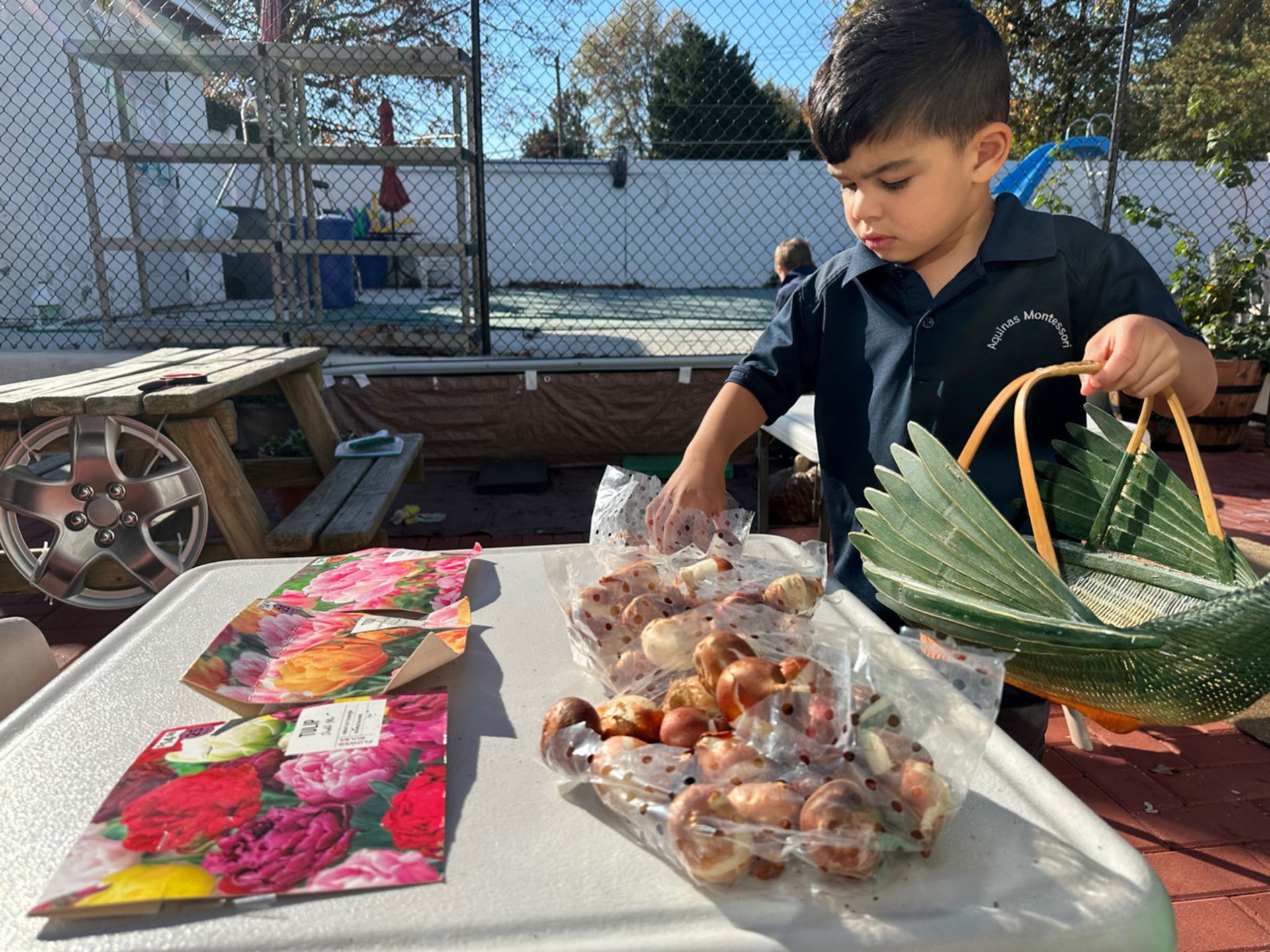
A garden is more than just a patch of soil—it’s a living classroom, a space for exploration, responsibility, and joy. Whether they are three or twelve, children find meaningful work and connection in the natural world. Gardening offers hands-on learning that integrates beautifully with Montessori principles, nurturing both the mind and the spirit.
🌱 A Place for Everyone in the Garden
For our youngest children, gardening begins with simple, purposeful tasks: watering plants, gently pulling weeds, harvesting herbs, or returning worms to the soil. These activities build coordination, concentration, and a quiet sense of stewardship. It is not uncommon to hear a child proudly announce, “I grew that!” as they pull a tiny carrot from the earth.
In kindergarten and elementary, gardening becomes more intentional and scientific. Children begin to understand plant life cycles, categorize herbs and vegetables, and track growth over time. Older children may measure rainfall, chart germination rates, or take on leadership in caring for raised beds. All the while, the work remains joyful—hands in the dirt, sun on their faces, curiosity leading the way.
🍅 From Garden to Table
Growing herbs and vegetables naturally leads to one of the greatest pleasures of gardening: eating what we grow. In every age group, children delight in preparing and sharing food from the garden. Preschoolers might tear basil leaves for a simple pesto or wash cherry tomatoes for snack. Older children can follow multi-step recipes, creating soups, salads, or herbal teas from what they’ve harvested.
This work fosters not only healthy eating habits but also math, language, and practical life skills. Measuring ingredients, reading recipes, working collaboratively—these are life lessons wrapped in the pleasure of preparing a shared meal.
🦋 Welcoming Wildlife with Native Plants
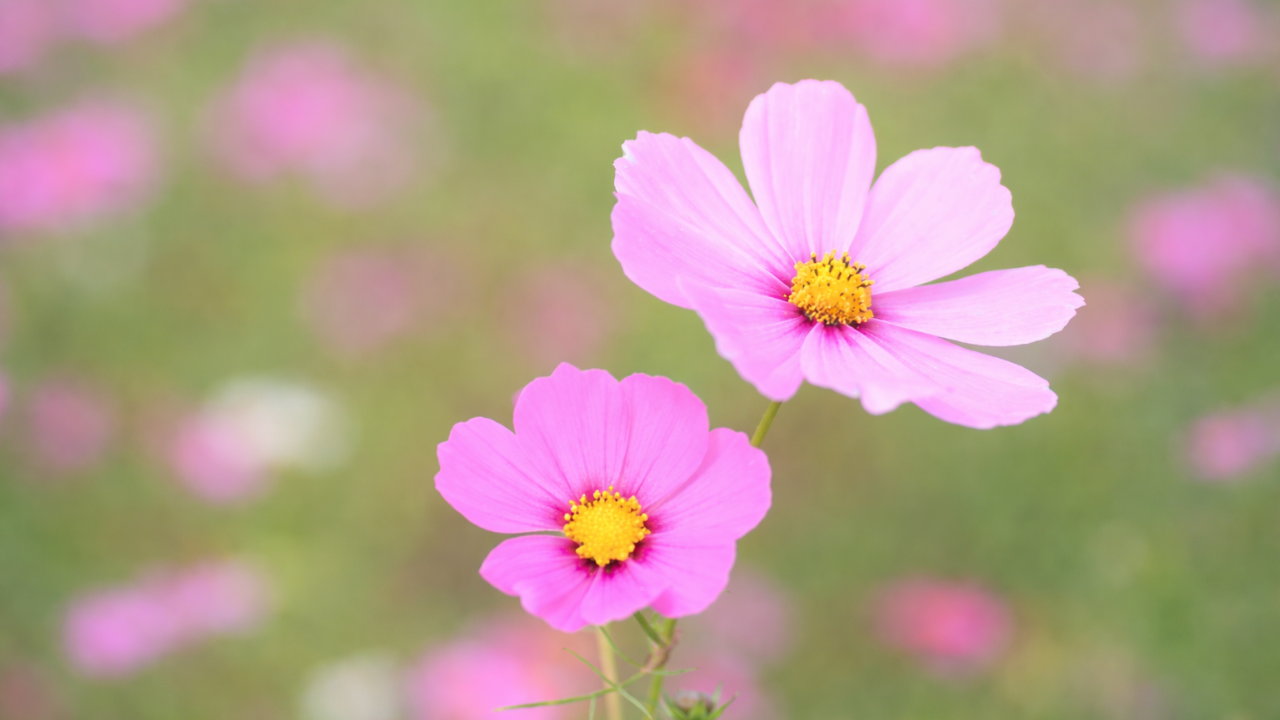
In addition to growing food, our gardening work at our Aquinas campus also includes planting native flowers to support local wildlife. Our pollinator garden, including milkweed, coneflower, and mountain mint, invites bees, butterflies, and beneficial insects to visit daily. Monarch butterflies, in particular, have become beloved guests as the children observe their lifecycle—from tiny egg to magnificent adult.
Native plants also help attract native birds, who enjoy the seeds and shelter our gardens provide. Children learn to identify both the plants and the creatures they support, gaining a deeper appreciation for ecological balance and biodiversity.
🏡 Bringing the Garden Home
Gardening doesn’t have to stay at school—there are many ways families can connect with nature together at home. Planting herbs in a windowsill, tending a few pots of vegetables, or starting a small pollinator garden with native flowers can become a beloved family activity. These shared moments outdoors offer calm, screen-free connection and invite children to care for something living.
Watching a seed sprout, observing a bee visit a flower, or harvesting a handful of cherry tomatoes—these experiences ground us in the rhythms of the earth and build lifelong habits of attentiveness and care. When children garden with their families, they deepen their understanding and strengthen their bond with the natural world.
You might also like