Wonder in the Everyday
Supporting Your Child’s Love of the Real World
As parents, it’s easy to wonder what truly supports your young child’s development. The answer is often simpler than it seems. In the early years, children are naturally drawn to the real world. They want to help, to imitate what they see, and to understand how everyday life works.
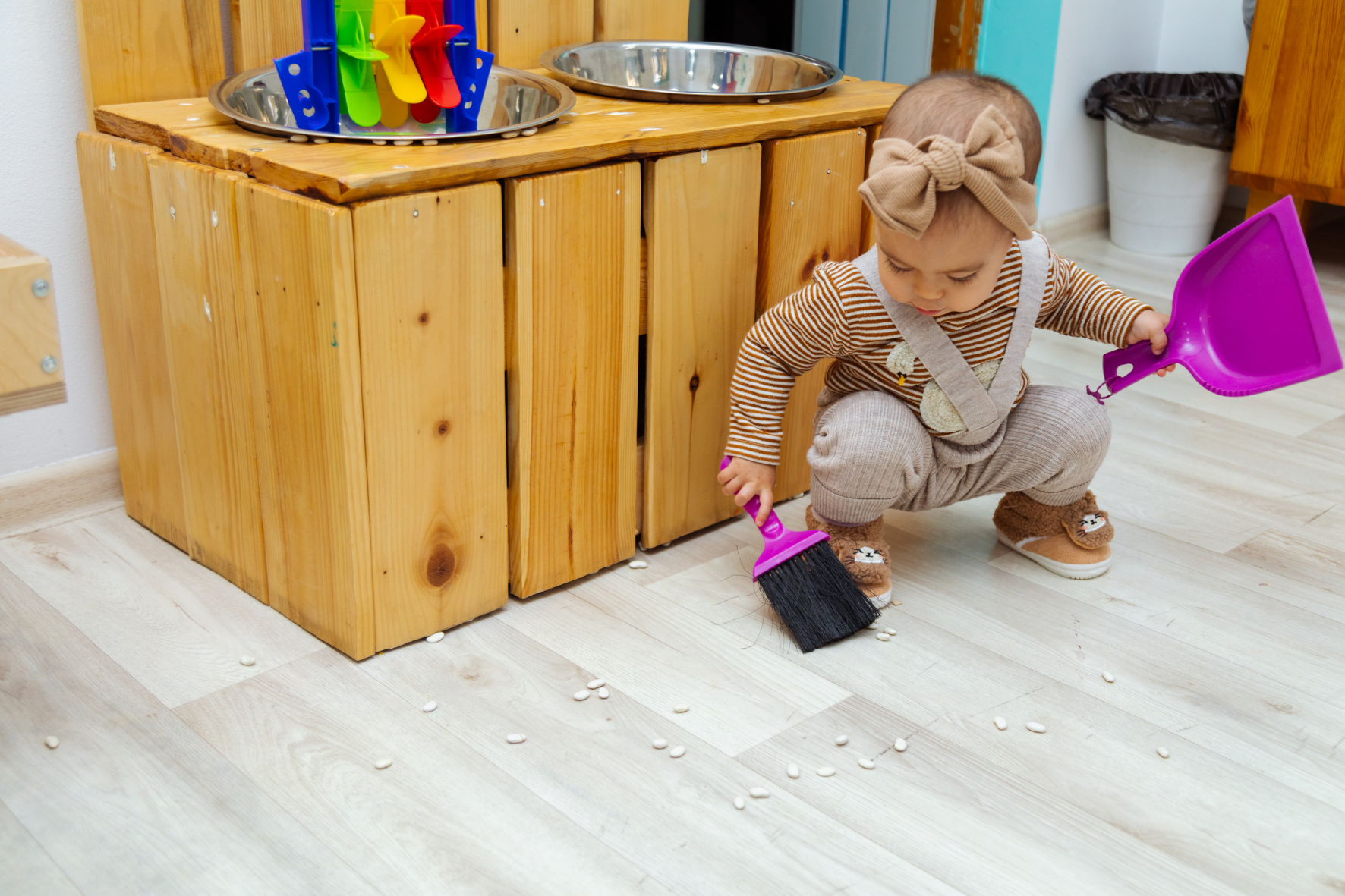
You may notice your child insisting on pouring their own water, wiping the table, fastening buttons, or carefully lining up objects on the floor. These moments are not distractions from learning—they are learning. Through real, hands-on activities, young children engage all their senses and begin to make sense of the world around them. Each repeated action builds coordination, concentration, and confidence.
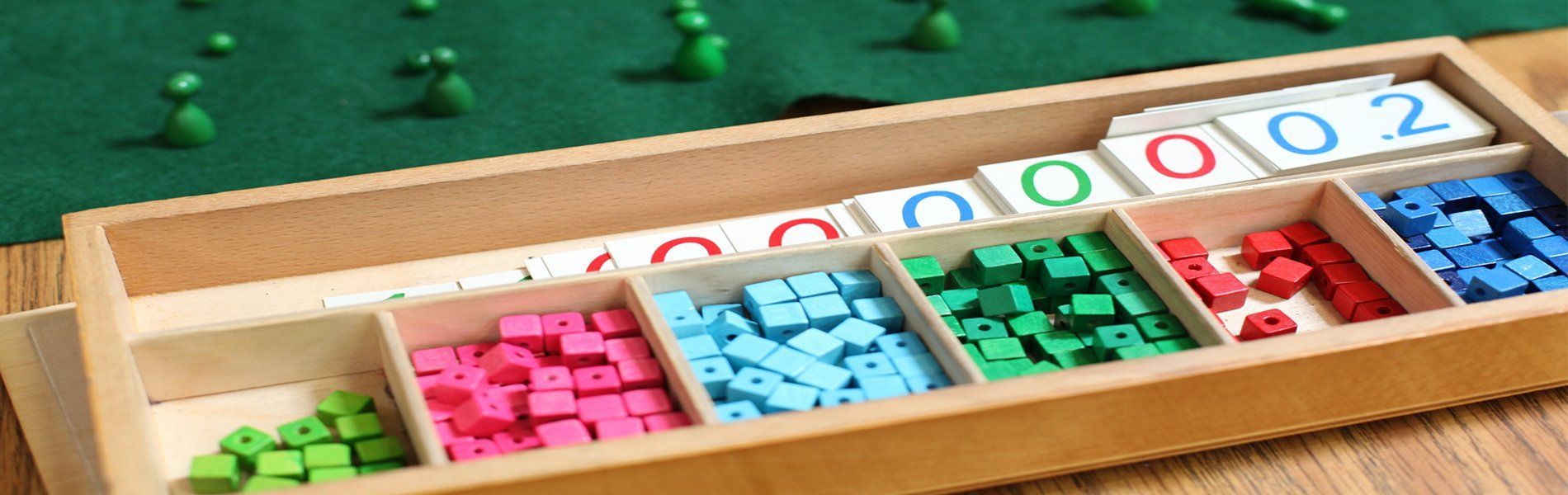
In Montessori Primary classrooms, this understanding shapes everything we do. Children are offered purposeful activities using real materials—glass pitchers instead of plastic, tools sized for small hands, and tasks connected to everyday life. These experiences help children develop independence and trust in their own abilities. Rather than asking young children to imagine or abstract, we meet them where they are developmentally, offering learning rooted in what they can see, touch, and do.
At home, you can support this growth by inviting your child into everyday life and the natural world around them. Young children delight in learning about nature—watching animals and noticing their behavior, observing insects at work, or examining the parts of a flower with careful attention. They are drawn to real details and take great satisfaction in naming what they see, noticing differences, and returning to the same observations again and again.
Children also find deep joy in participating in home life. Activities such as cleaning, cooking, dressing themselves, and caring for their belongings are not chores to them; they are meaningful opportunities to contribute. When children are trusted with real responsibilities—washing a table, preparing food, watering plants, or organizing their space—they experience a strong sense of purpose and belonging. These moments help children build independence, coordination, and confidence, while reinforcing the idea that they are capable members of their family and their world.
At home, you can support this growth by inviting your child into everyday life: cooking together, caring for plants, sorting laundry, observing and spending time in nature, and allowing time for focused, uninterrupted work. These simple opportunities communicate an important message to your child—you are capable, trusted, and an important part of our shared world.
By honoring your child’s need for real experiences, you are nurturing concentration, independence, and a deep sense of joy in learning that will serve them well for years to come.
You might also like